

Winter Fly Fishing in Taupo: How to Have Your Best Day on the Water | Rob Vaz
After a busy summer season guiding, I made a few mental notes about the common troubleshooting points that kept coming up with clients heading into winter. Some lessons stay the same year after year, while others shift as conditions cool and the famous winter runs begin.
Whether you're a seasoned winter diehard, a weekend warrior squeezing in a few sessions, or completely new to the game, we all share the same goal: catching fish, learning more, and enjoying time on the water.

Winter fly fishing around Taupo has a unique energy to it. Anglers travel from all over the country (even from around the globe) to fish the spawning runs, rivers become crowded, and there's often pressure to "beat the rush" and secure the best pools first thing in the morning. But despite the crowds, it's worth approaching the day with a mindset of learning, adapting, and sharing water respectfully. Some of the best friendships in fly fishing start with a quick conversation on the riverbank.
More importantly, winter fishing offers something summer often doesn't: a slower pace, dramatic scenery, and incredibly rewarding fishing once you understand how trout behave in cold water.
Understanding Winter Trout Behaviour
Winter fly fishing can feel slow and unforgiving at first. Fish are often concentrated in specific holding water, they generally won't move far to eat, and conditions can change quickly depending on rainfall and river flows.
But once you begin understanding where trout position themselves and why, the whole fishery starts to make more sense.
During winter, spawning trout push up Lake Taupo's tributaries following fresh rain events and rising water levels. These freshes often trigger movement, bringing new fish into the rivers and switching fish into feeding mode. If you have flexibility in your schedule, timing your trip around rainfall can dramatically improve success.
That said, not every river fires at the same time. One river may fish exceptionally well while another remains quiet, even under similar conditions. Successful winter anglers stay mobile, keep an open mind, and aren't afraid to explore different systems.
Learn to Read Water Like a Trout
One of the biggest improvements any angler can make is learning to become a better river reader.
Every pool, seam, current line, and boulder creates opportunities for trout to conserve energy while intercepting food. Instead of simply casting into äóìfishy looking water,äó start asking yourself:
- Where can trout hold comfortably in this flow?
- Where would food naturally drift?
- Where can fish feed while using the least energy?
This mindset shift changes everything.
Many Taupo rivers have classic holding water that produces fish year after year, particularly at certain flow levels. However, winter floods constantly reshape rivers.
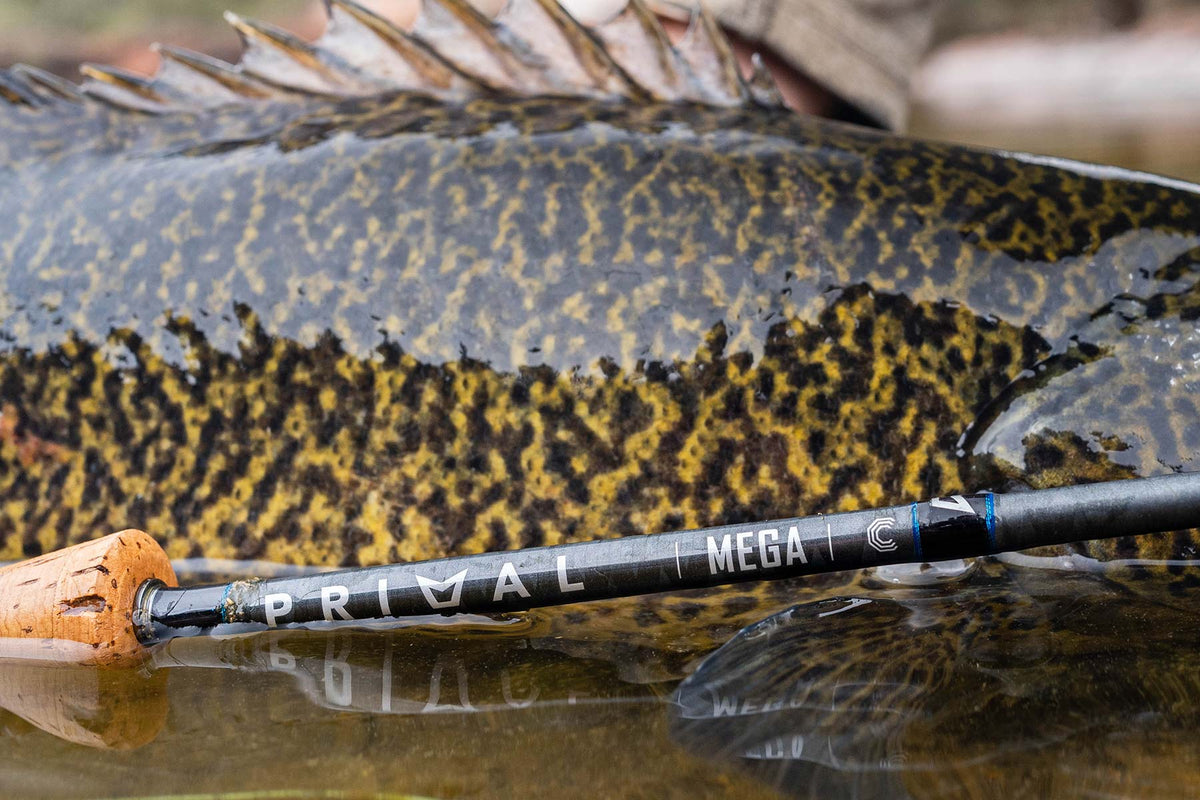
Gravel shifts, channels move, and pools can completely change from one season to the next. The anglers who consistently do well are usually the ones paying attention to these subtle changes. A longer nymphing rod can really help here. The Primal range of modern Euro and indicator nymphing rods gives you better reach, improved mending ability, and greater line control across complicated currents.
Don't Overcomplicate Fly Selection
One of the most common mistakes in winter fly fishing is constantly changing flies when the issue is actually depth or weight. Taupo trout are opportunistic feeders. They'll happily eat a wide range of nymphs, egg patterns, and many other flies when presented correctly. The important thing is carrying proven patterns in a variety of weights and sizes rather than carrying hundreds of completely different flies.
If your flies aren't getting into the strike zone, fish simply won't see them. Winter fishing is heavily about controlling depth and ensuring your flies drift naturally close to the bottom. That means having a variety of tungsten-weighted patterns, heavier bomb flies, and suitably weighted egg flies/naturals to match varying flows.
A smart winter fly box should include:
Natural nymph patterns in a variety of weights and sizes.

Death Roe (natural) Egg flies

Brighter coloured Eggstasy Eggs and glo-bugs

Heavy bomb flies

Small natural patterns for clear conditions

A selection of streamers

Matching Flies to Water Clarity
Water clarity matters more than many anglers realise. When rivers are carrying colour after rain, visibility becomes critical. Bright egg patterns and larger silhouettes help trout locate your flies in dirty water. As rivers begin to clear, scaling back to more natural colours and subtler presentations often becomes more effective.
A great approach during winter is to fish eggs early in the day – particularly after fresh rain – transition toward more natural nymphs later as conditions stabilise.
The anglers who adapt throughout the day usually catch more fish than those stubbornly fishing the same setup from dawn until dark.
Depth Control and Indicator Setup
Depth control is every bit as important as fly choice itself. You can have the perfect fly pattern, but if it's drifting above the fish, your chances drop dramatically. The New Zealand Strike Indicator system remains one of the simplest and most effective ways to adjust depth quickly on the river. Being able to slide your indicator up or down efficiently allows you to adapt to changing pools, seams, and flow speeds without wasting time re-rigging completely.
A few small adjustments can make a huge difference:
- Lengthening your leader in deeper pools
- Adding extra split shot or Loon Deep Soft Weight in heavier flows
- Shortening drifts in fast pocket water
- Reducing indicator size during low clear conditions
And while it sounds basic, always test your knots properly. Winter fish are powerful, and poorly tied knots often fail at the worst possible moment. High-quality tippet and leader materials from Airflo and Trout Hunter are essential, especially when fishing heavier winter rigs.
Choosing the Right Fishing Method
There's no single "correct" winter method. Some anglers prefer indicator nymphing, others enjoy Euro-style techniques, while many still love swinging wet lines or streamers through classic holding water. The important thing is choosing an approach that keeps you in control, fishing effectively, and wading safely.
At times, fishing downstream with streamers or wet lines can actually be more effective and honestly, more enjoyable than battling upstream through heavy current all day.
When nymphing, presentation remains everything. Your goal is achieving a natural dead drift where flies move at the same speed as the current. In cold water, trout rarely move far to feed, so getting flies close to their holding position becomes critical.
Modern fly lines designed specifically for nymphing – such as specialist Euro nymph lines and the lines in the Airflo Superflo Max range can make achieving better drifts much easier.
Position Yourself to Land Fish
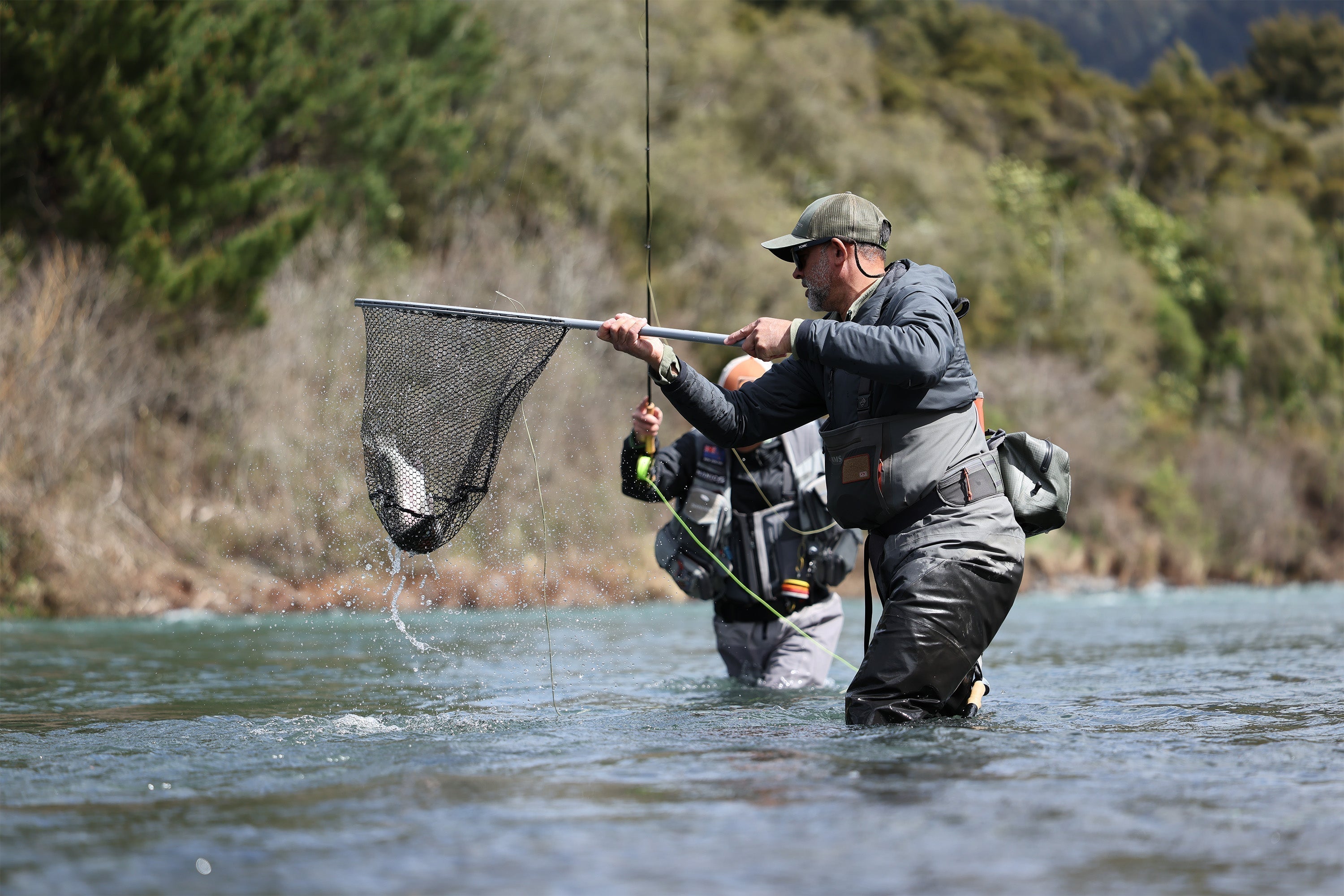
Hooking fish is only part of the equation. A surprising number of trout are lost simply because anglers haven't thought ahead about where and how they'll land them. Fast current, steep banks, and crowded pools can all make landing fish challenging.
Before making your first cast, think about:
- Where you can safely move during a fight
- Where fish are likely to run
- Where you can guide them into softer water
A quality long-handled landing net is hugely valuable in winter conditions, particularly when fishing steep or deep banks. It's also worth understanding local regulations around rod limits and fishing methods. While carrying multiple rods can sometimes make sense – such as nymphing upstream and swinging flies on the walk back down – it's not always the most practical option. Often, carrying a spare spool with an alternative fly line setup is the smarter choice.
Matching Rods to Conditions
Rod selection matters more in winter than many people realise. Heavy flows, wind, split-shot rigs, and larger indicators all place greater demands on your setup. Sometimes stepping up from a 6-weight to a 7-weight can make turning over heavier rigs significantly easier.
Personally, I've really enjoyed fishing slightly longer 9'6" 6-weight rods on rivers like the Tongariro.
The extra length improves:
- Line mending
- Drift control
- Reach across currents
- Hook-setting ability
- Roll casting efficiency
However, not every winter is dominated by heavy flows. Some seasons bring extended low water conditions where rivers fish more like summer backcountry systems. In those situations, lighter tippets, smaller indicators, and more delicate presentations become incredibly important. Having versatile rod and line combinations helps cover both extremes effectively.
Investing in the Right Gear
Quality gear absolutely makes a difference – but that doesn't mean everything needs to be top-end or overly expensive.
Prioritise the gear categories that impact comfort, safety, and longevity the most.
For many winter anglers, that starts with footwear. Good boots take a serious beating on Taupo's rocky riverbeds, and investing in a comfortable, supportive pair is well worth it.
Breathable waders paired with quality boots and suitable studs dramatically improve stability and comfort during long days on the water. Personally, I prefer boots with a little flex, as they tend to feel more stable and forgiving over uneven terrain.
A reliable wading staff is another hugely underrated piece of equipment. Models with a bungee and carabiner system help prevent losing them in fast current while also making crossings far safer and less tiring.
When it comes to clothing, layering properly is critical:
- Thermal base layers
- Warm socks
- Mid layers for insulation
- Quality waterproof outerwear
A dependable waterproof jacket: particularly Gore-Tex or equivalent can completely change your comfort level during rough winter weather.
Slow Down and Enjoy the Experience
It's easy to become overly focused on catching fish during the winter runs. But some of the best days on the river come when you slow down and appreciate everything else happening around you.

Take breaks occasionally. Watch the river. Notice where the blue ducks sit in the current. Pay attention to changing light, shifting flows, and the sounds of the water moving through the valley.
Grab a coffee. Warm your hands up. Reset your mindset.
A day on the river isn't only about numbers or social media photos. It's about the mental reset, the connection to nature, and the memories built along the way. And if you can share that experience with good people, even better. Because sometimes the best part of winter fly fishing isn't the fish itself – it's the story shared over a cold beer at the end of the day.
ABOUT THE AUTHOR
Rob Vaz is the man behind Robfish Guided Fly-Fishing NZ and has spent more than 20 years guiding the rivers of the Central North Island. From backcountry adventures to technical spring creek fishing, Rob caters trips to anglers of all experience levels, with a big focus on helping people learn and enjoy the incredible fishery we have here in Aotearoa.
A former National Champion and NZ Fly Fishing Team representative, Rob has competed in multiple World Fly Fishing Championships and fished destinations including Mongolia, Iceland, Slovakia, Bosnia, and Slovenia. When he's not guiding, you'll usually find him swinging a double hander on his local Turangi rivers.
Visit robfish.co.nz